Living Books About Hibernation

Updated: Jan 7

Winter is such a natural time to slow down, cozy up, and lean into quieter learning rhythms. As the days grow shorter and the world outside settles into rest, children often become curious about animals and how they survive the cold months.
One of the most meaningful ways to explore this topic is through living books — stories that draw children into nature through narrative, beauty, and gentle observation rather than dry facts.
If you’re hoping to go beyond just reading and would like to explore what hibernation really is, how it differs from torpor and brumation, and how specific animals survive winter, I recently created a Hibernation Unit Study designed for elementary learners. It pairs beautifully with the books below and offers a gentle but thorough look at winter animal behavior.
Why Use Living Books to Study Hibernation?
Living books help children connect emotionally to what they are learning. Instead of memorizing information, children experience the rhythms of the seasons through story. They notice patterns, make observations, and naturally begin asking thoughtful questions.
When paired with simple discussion, narration, and nature journaling, living books create a strong foundation for deeper learning — especially in a Charlotte Mason–inspired homeschool.
Living Picture Books About Hibernation & Winter Sleep
These books are rich in language, atmosphere, and seasonal rhythm, making them ideal for read-aloud time.
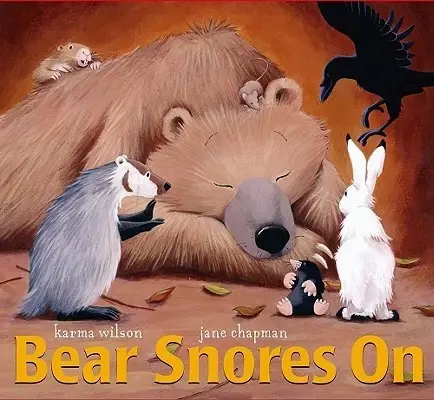
Bear Snores On – Karma Wilson
A cozy winter classic. Bear sleeps through the cold season while forest friends quietly gather in his cave. This rhythmic story gently introduces winter sleep and animal behavior in a memorable way.
A Story for Small Bear – Alice B. McGinty
A thoughtful and calm story following a bear as he prepares for winter. This is a lovely choice for narration and gentle discussion about seasonal change.
Sleep, Big Bear, Sleep – Maureen Wright
A sweet tale of forest animals helping Bear settle into winter rest. A wonderful way to talk about animal needs and preparation.
Snuggle Down Deep – Diane Muldrow

Poetic and peaceful, this book shows animals curling up and settling in for winter. Perfect for quiet winter mornings.
Time to Sleep – Denise Fleming
With simple, repetitive language, this book is especially well suited for younger children. Animals prepare for winter one by one, reinforcing natural seasonal patterns.
The Big Snow – Berta & Elmer Hader
A timeless story showing animals adapting to winter conditions. Its gentle pace and classic feel make it a beautiful living book choice.
Living Science & Nature Stories
These books blend storytelling with real scientific understanding, making them ideal bridges between story and study.
Over and Under the Snow – Kate Messner

A beautifully written walk through a winter forest, revealing animals hidden beneath the snow. Introduces hibernation, tunneling, and winter survival in a natural, engaging way.
Winter Sleep: A Hibernation Story – Sean Taylor
A poetic exploration of animals settling into winter rest. The story comes first, with gentle scientific insight woven throughout.
Chapter Books & Longer Reads With Winter Animal Themes
While there are very few chapter books focused solely on hibernation, these longer stories immerse children in winter settings and animal life, making them excellent companions to a hibernation study.
Rabbit Hill – Robert Lawson
A Newbery Medal–winning classic that follows animals living through the changing seasons. A wonderful living book for older elementary readers.
Brambly Hedge: Winter Story – Jill Barklem
Richly illustrated and full of cozy winter atmosphere, this story shows a small animal community living through winter together.
Mr. Popper’s Penguins – Richard & Florence Atwater
Not about hibernation, but a delightful winter-themed chapter book featuring animals and cold-weather environments.
Gentle Nonfiction Books to Add Depth
These nonfiction selections remain child-friendly and pair well with living books without overwhelming young learners.

Animals Hibernating – Pamela Hickman
A clear and accessible introduction to hibernation, with helpful explanations and illustrations.
Animals in Winter – Henrietta Bancroft
Explores how animals survive winter through hibernation, migration, and adaptation, making it ideal for comparison.
Hibernation – Tori Kosara
Introduces different types of hibernation and animals that use them, written in an easy-to-understand format.
Bringing It All Together in Your Homeschool
These books are perfect for:
Cozy winter read-alouds
Narration and discussion
Nature journaling and observation
Gentle science lessons rooted in story
If your children are ready to explore hibernation more deeply, our Hibernation Unit Study expands on these ideas with clear explanations, animal-specific studies, and thoughtful activities designed for elementary learners — while still leaving room for wonder and curiosity.
It’s a meaningful way to connect living books, nature study, and winter learning into one gentle rhythm.


.png)


Comments